
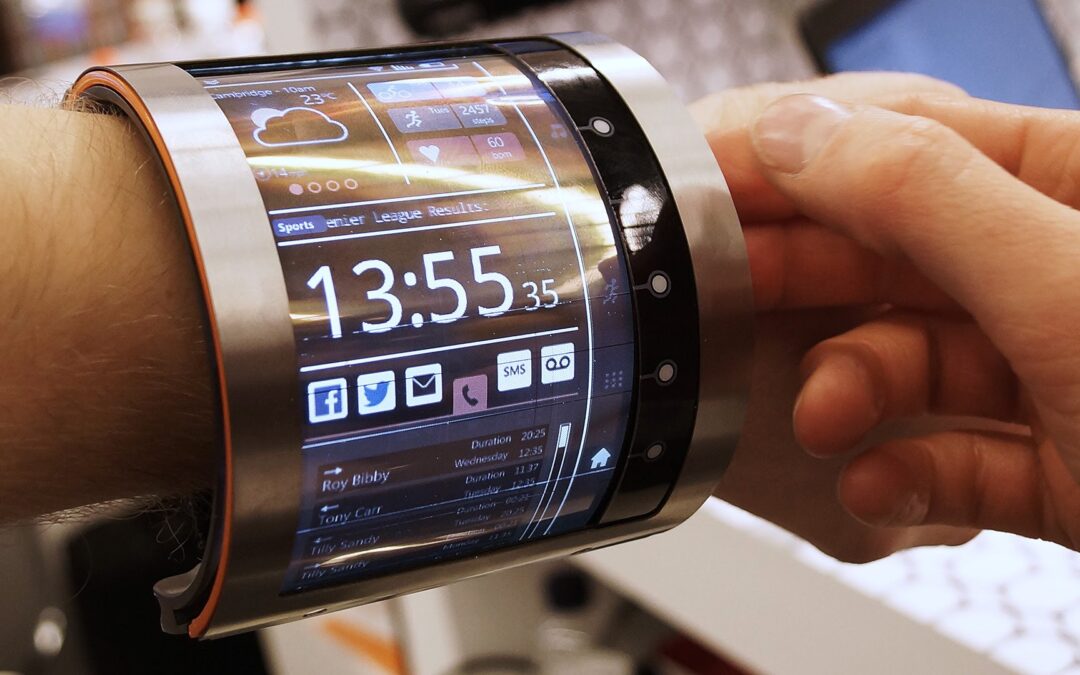
The future of flexible electronics and wearable devices is rapidly emerging as one of the most transformative frontiers in modern technology, reshaping how humans interact with digital systems in daily life. Flexible electronics refer to electronic components built on bendable, stretchable, and lightweight substrates instead of rigid silicon-based boards, enabling devices to conform to curved surfaces, skin, fabrics, and even biological tissues. This fundamental change in form factor is unlocking unprecedented design freedom and unlocking entirely new use cases across consumer electronics, healthcare, sports, fashion, and industrial applications. Wearable devices, which once existed mainly as rigid fitness trackers and smartwatches, are now evolving into ultra-thin, skin-like sensors, smart garments, and foldable smart accessories that integrate seamlessly into everyday activities. Driven by advances in materials science, printed electronics, nanotechnology, and low-power semiconductors, flexible and wearable technologies are transitioning from experimental concepts into commercially viable platforms. As consumer demand shifts toward more comfortable, always-on, and context-aware experiences, flexible electronics are defining the next era of human-centered computing where technology adapts naturally to the human body rather than forcing humans to adapt to machines.
One of the most powerful drivers of growth in flexible electronics and wearable devices is the rapid advancement of materials that combine electrical performance with mechanical flexibility. Traditional electronics rely on rigid materials such as silicon wafers and glass substrates, which limit their ability to bend or stretch without failure. In contrast, next-generation flexible electronics use advanced polymers, conductive inks, graphene, organic semiconductors, and ultra-thin metal films that can withstand repeated deformation while maintaining stable electrical performance. These materials enable circuits to be printed directly onto plastic films, textiles, and elastomeric surfaces using low-cost, scalable manufacturing techniques such as roll-to-roll printing. This shift not only reduces production costs but also opens the door to large-area electronics, disposable sensors, and ultra-lightweight devices. Stretchable batteries, transparent conductors, and flexible displays are also accelerating commercialization by solving long-standing challenges related to power delivery and visual interfaces. As materials continue to improve in durability, conductivity, and energy efficiency, flexible electronics will become more reliable and suitable for mass-market applications, allowing wearable devices to move beyond rigid boxes into seamless extensions of the human body.
Healthcare represents one of the most transformative application areas for the future of flexible electronics and wearable devices, redefining how medical monitoring, diagnostics, and therapy are delivered. Unlike traditional medical equipment that requires patients to be tethered to bulky machines in clinical settings, flexible wearables enable continuous, non-invasive health monitoring in real-world environments. Ultra-thin, skin-conforming sensors can now track heart rate, body temperature, respiration, hydration levels, muscle activity, and even biochemical markers in sweat with laboratory-grade accuracy. These devices provide doctors with continuous streams of real-time data rather than isolated measurements taken during hospital visits, enabling earlier detection of disease patterns and more personalized treatment plans. Flexible biosensors are also being developed for wound monitoring, glucose tracking, and neural stimulation, opening new frontiers in chronic disease management and rehabilitation. For aging populations and remote healthcare environments, wearable medical electronics will play a vital role in reducing hospital overcrowding, lowering healthcare costs, and improving patient outcomes. As artificial intelligence and cloud-based analytics become further integrated with flexible medical wearables, predictive healthcare will shift from reactive treatment toward proactive disease prevention.
Consumer lifestyle and performance optimization are also being transformed by flexible electronics and wearable devices in ways that extend far beyond basic fitness tracking. Smart clothing embedded with stretchable sensors can now measure posture, muscle exertion, joint movement, and fatigue in real time, providing athletes and physical workers with precise performance feedback that was previously only available in laboratory settings. Flexible wearable patches enable hands-free interaction, biometric authentication, and continuous activity recognition without the discomfort of rigid hardware. In entertainment and gaming, wearable haptics powered by flexible electronics are enabling immersive experiences through tactile feedback that simulates touch, motion, and resistance. In the world of fashion, smart textiles are blending aesthetics with functionality by integrating lighting, environmental sensing, and connectivity directly into fabric. These developments are blurring the boundaries between electronics, clothing, and personal accessories, creating entirely new product categories that redefine what it means to “wear” technology. As wearable devices become lighter, more breathable, and visually integrated into everyday fashion, adoption will accelerate across mainstream consumer markets rather than remaining confined to early adopters and tech enthusiasts.
Energy management and power efficiency remain among the most critical challenges and opportunities shaping the future of flexible electronics and wearable devices. Unlike smartphones or laptops, wearable and flexible devices must operate for long periods with minimal battery footprint while maintaining comfort and safety for the user. This has driven intense innovation in flexible energy storage, including thin-film batteries, stretchable supercapacitors, and energy-harvesting technologies that convert body heat, motion, and ambient light into usable electrical power. Flexible solar cells integrated into clothing or accessories can passively recharge devices throughout the day, while kinetic energy harvesters embedded in footwear or wristbands can generate power from natural movement. Low-power sensors, ultra-efficient wireless communication protocols, and adaptive power management algorithms further extend operating life without increasing device size. These advances are pushing wearable technology toward a future where devices become self-sustaining, eliminating the need for frequent charging and enabling truly continuous monitoring. As energy solutions mature, power limitations will no longer constrain design creativity or long-term usability in flexible electronic systems.
The convergence of flexible electronics with artificial intelligence, edge computing, and next-generation connectivity is also accelerating the evolution of wearable devices into intelligent, autonomous companions. On-device AI allows wearable systems to analyze sensor data locally, enabling real-time pattern recognition, adaptive feedback, and predictive insights without relying on constant cloud connectivity. This is essential for applications that demand ultra-low latency, enhanced privacy, and offline functionality, such as medical monitoring, worker safety, and mission-critical industrial operations. Flexible antennas and communication modules support reliable wireless connectivity across 5G, Bluetooth, and emerging ultra-wideband standards while maintaining device comfort and durability. As wearable electronics become context-aware through sensor fusion and machine learning, they will no longer simply collect data but actively respond to human behavior and environmental conditions. Smart wearables will adapt exercise programs based on fatigue levels, modify environmental settings based on stress detection, and assist in navigation through subtle tactile cues without requiring visual attention. This transition from passive tracking to active assistance marks a fundamental shift in how wearable technology enhances productivity, safety, and overall quality of life.
Looking ahead, the future of flexible electronics and wearable devices will be defined by deeper integration into the human body, the built environment, and digital ecosystems. Emerging research into bio-integrated electronics aims to create implantable or biodegradable electronic systems that interact directly with biological tissue, enabling advanced prosthetics, neural interfaces, and real-time organ monitoring. At the same time, smart infrastructure will increasingly incorporate flexible sensor networks into buildings, transportation systems, and public spaces to enable intelligent environmental monitoring, crowd management, and energy optimization. As manufacturing techniques mature and production scales increase, the cost of flexible electronics will continue to decline, driving mass adoption across both developed and emerging markets. Regulatory standards, cybersecurity frameworks, and ethical design principles will play an essential role in shaping trust and responsible deployment. Ultimately, flexible electronics and wearable devices represent more than just a new product category—they represent a fundamental transformation in how technology becomes embedded into human life. As devices become softer, smaller, smarter, and more sustainable, the line between the digital and physical worlds will continue to blur, ushering in a future where technology is no longer something we carry, but something that seamlessly becomes part of who we are.