
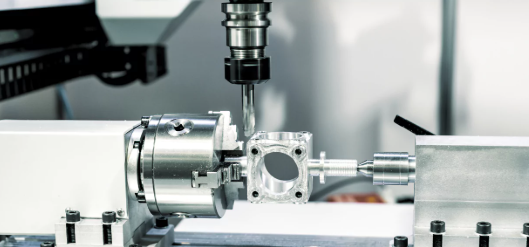
The manufacturing world is undergoing one of the most significant transformations in history. With the rise of automation, digitalization, and smart electronic systems, traditional production methods are evolving into faster, smarter, and more efficient processes. CNC machining, electronic engineering, and advanced fabrication now operate at the intersection of technology and innovation, shaping the future of global industry.
This article explores how automation, robotics, smart sensors, and integrated systems are redefining the way manufacturers design, produce, and deliver precision components.
1. Automation and Robotics in CNC Manufacturing
Automation has become one of the most powerful forces in modern manufacturing. In CNC machining, robotic arms, automated tool changers, and AI-driven systems significantly reduce manual labor and minimize production errors.
Key advancements include:
-
Robotic loading and unloading of CNC machines
-
Automated pallet systems for uninterrupted production
-
AI-based machining strategies for optimized toolpaths
-
Predictive maintenance using real-time machine data
These advancements enable 24/7 manufacturing, higher output, and consistent product quality — making production faster and more cost-efficient.
2. Smart Electronics and Integrated Manufacturing Systems
Electronic systems now play a crucial role in manufacturing, especially in monitoring machine performance and optimizing production flow. Through sensors, IoT devices, and intelligent controllers, factories are becoming smarter and more responsive.
Smart systems improve:
-
Machine efficiency and uptime
-
Energy usage and operational cost
-
Real-time fault detection
-
Production traceability and data accuracy
Integrating electronic systems into CNC machines and fabrication lines allows manufacturers to forecast failures, track parts, and maintain full visibility over every production stage.
3. Additive Manufacturing as a Complement to CNC
3D printing has emerged as a powerful strategy for prototyping and even producing end-use components. Instead of replacing CNC machining, additive manufacturing complements it by allowing the creation of shapes that are difficult or impossible with traditional cutting methods.
Benefits include:
-
Complex internal geometries
-
Lightweight lattice structures
-
Reduced material waste
-
Faster early-stage design testing
Hybrid manufacturing — combining CNC machining with 3D printing — is becoming a new standard for high-performance industries.
4. The Evolution of Electronic Components in Industrial Equipment
The “electro” industry continues to shape the evolution of machinery and automation tools. Modern electronic components make manufacturing equipment smarter, safer, and more efficient.
Examples include:
-
Microcontrollers for precise motion control
-
Sensors for temperature, vibration, and pressure monitoring
-
High-speed circuit boards controlling CNC toolpaths
-
Power electronics for high-performance industrial machines
As electronic devices become smaller and more powerful, industrial systems gain improved accuracy and faster response times.
5. Sustainable Manufacturing Through Technology
Environmental responsibility has become an essential part of global production. CNC and electronic manufacturing are incorporating green technologies to reduce waste and energy consumption.
Sustainability improvements include:
-
Use of recycled metals and eco-friendly materials
-
High-efficiency motors and drives
-
Precision machining to reduce scrap
-
Low-energy laser and plasma cutting systems
-
Digital manufacturing techniques that minimize physical waste
These advancements help industries meet global environmental standards while maintaining productivity.
6. Workforce Transformation: The Rise of Smart Manufacturing Skills
As technology advances, manufacturing jobs evolve as well. The industry now requires workers skilled in both engineering and digital tools.
Emerging skills include:
-
CAD/CAM programming
-
CNC machine operation and automation control
-
Electronics troubleshooting
-
Robotics and sensor integration
-
Data analysis and system optimization
The future workforce will blend traditional engineering knowledge with digital proficiency.
Conclusion: A Smarter, Faster, and More Connected Industrial Future
The combination of CNC machining, electronic engineering, automation, and smart manufacturing is creating a new era of industrial capability. Factories are becoming more efficient, machines are becoming more intelligent, and production cycles are becoming faster and cleaner.
As these technologies continue to evolve, companies that embrace automation and advanced manufacturing systems will be positioned at the forefront of global industry — delivering higher-quality products, minimizing waste, and improving overall efficiency for years to come.