
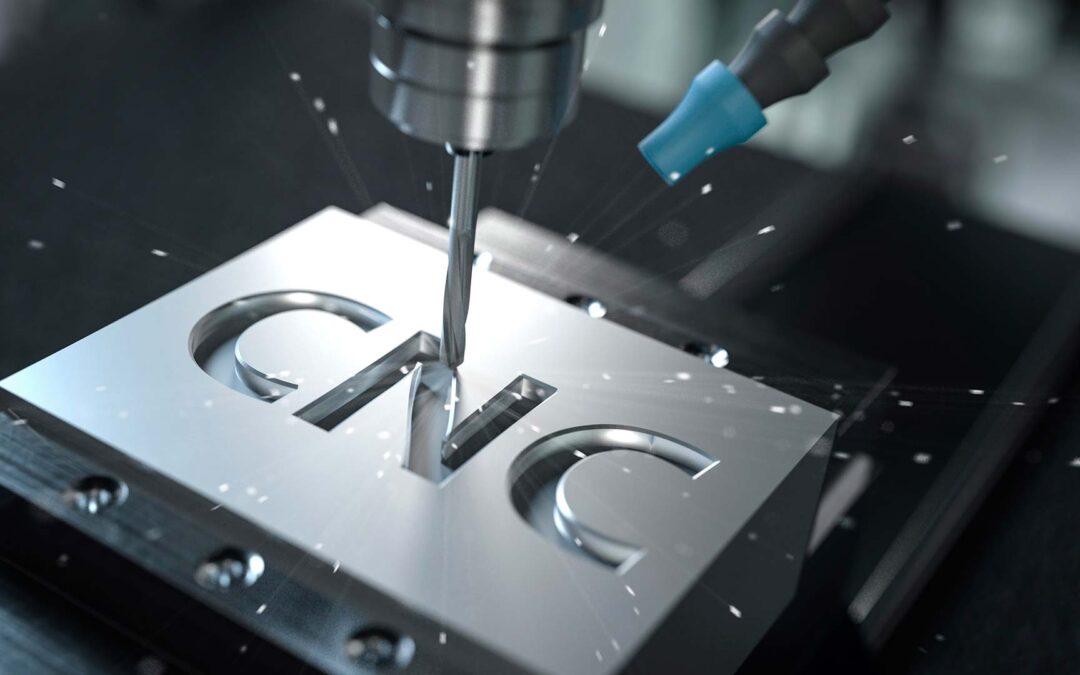
In the rapidly advancing world of engineering and industrial production, the demand for precision-made components has never been higher. Companies across various sectors now rely on manufacturers capable of delivering accurate, high-quality parts with fast turnaround times, advanced technology, and reliable quality assurance. As global supply chains continue to evolve, precision CNC machining and custom manufacturing services have become essential pillars supporting product innovation, mass production, and rapid development cycles.
This article explores how modern manufacturing providers support industries worldwide through CNC machining, sheet metal fabrication, rapid prototyping, and scalable production solutions.
Precision CNC Machining: The Heart of Modern Industrial Production
CNC machining is one of the most trusted processes for creating accurate, complex, and high-tolerance components. Using computer-controlled machines, manufacturers can produce parts with exceptional consistency across metals and plastics.
Core capabilities include:
-
CNC milling (3-axis, 4-axis, and 5-axis)
-
CNC turning and lathe machining
-
Multi-axis machining for complex geometries
-
Tight tolerance machining for aerospace and medical applications
-
Custom surface finishes and post-processing
These capabilities make CNC machining ideal for producing mechanical parts, enclosures, engine components, robotic mechanisms, and electronic housings.
Sheet Metal Fabrication: Flexibility and Strength for Industrial Applications
Sheet metal fabrication remains one of the most versatile processes in manufacturing. Through cutting, bending, folding, forming, and welding, manufacturers can create metal structures for countless industrial needs.
Common applications include:
-
Equipment frames and machine enclosures
-
Brackets, mounting plates, and structural supports
-
Automotive and aerospace metal components
-
Electronic device housings
-
Industrial control box fabrication
With the right machinery and skilled technicians, sheet metal fabrication offers both speed and durability, making it ideal for industries requiring strong, lightweight structures.
Rapid Prototyping for Faster Product Development
Innovation today moves at incredible speed, and rapid prototyping has become a crucial step in bringing ideas to market. By combining CNC machining, sheet metal fabrication, and 3D printing technologies, manufacturers can produce accurate prototypes that simulate real-world usage.
Benefits of rapid prototyping include:
-
Faster testing and validation of new designs
-
Reduced development costs
-
Small-batch trial production for early feedback
-
Ability to refine complex engineering concepts before mass production
This accelerates the research and development cycle, helping companies launch products faster and more efficiently.
Scalable Production: From One Unit to Hundreds of Thousands
One of the strongest advantages of modern manufacturing providers is their ability to support both low-volume and high-volume production. Scalability ensures that businesses can start small during the prototype phase and quickly transition into mass manufacturing without switching suppliers.
Production strengths include:
-
Flexible order quantities
-
Consistent quality across large batches
-
Cost-effective large-scale production
-
Comprehensive finishing and packaging options
-
Global shipping support
This flexibility is essential for industries such as automotive, consumer electronics, medical devices, and industrial machinery.
Industries Supported by Modern CNC and Fabrication Services
Precision manufacturing plays a vital role across a wide range of industries:
-
Aerospace: structural components, turbine elements, brackets
-
Medical: surgical instruments, precision housings, device parts
-
Automotive: drivetrain components, engine parts, custom metal work
-
Electronics: heatsinks, casings, brackets, semiconductor components
-
Robotics & Automation: arm mechanisms, gears, mechanical assemblies
-
Energy & Oil/Gas: rugged, heavy-duty metal components
-
Industrial machinery: high-performance mechanical parts
These industries depend heavily on manufacturing partners capable of maintaining accuracy, reliability, and durability.
Quality Assurance and International Standards
To ensure consistent results, manufacturers today implement strict quality control procedures. This includes:
-
Full inspection reports
-
First article inspection (FAI)
-
CMM (Coordinate Measuring Machine) analysis
-
Material certifications
-
Batch testing and dimensional checks
-
Compliance with global standards such as ISO 9001, ISO 13485, and IATF 16949
These processes guarantee that every product meets the specifications required for demanding applications.
Why Precision Manufacturing Matters More Than Ever
As technology continues to advance, precision manufacturing becomes increasingly important. Modern companies require:
-
Tighter tolerances
-
More complex geometries
-
Lightweight but durable materials
-
Fast production cycles
-
Better cost efficiency
CNC machining, sheet metal fabrication, and custom manufacturing collectively enable industries to bring ideas to life — from small prototypes to high-performance end-products used around the world.
Conclusion
Precision CNC machining and custom manufacturing are essential components of today’s industrial landscape. With capabilities ranging from rapid prototyping to large-scale production, advanced manufacturing providers help global businesses innovate faster, reduce costs, and maintain strict quality standards.
Whether developing new technologies, producing industrial equipment, or creating specialized mechanical components, modern manufacturing solutions play a critical role in powering the future of engineering.